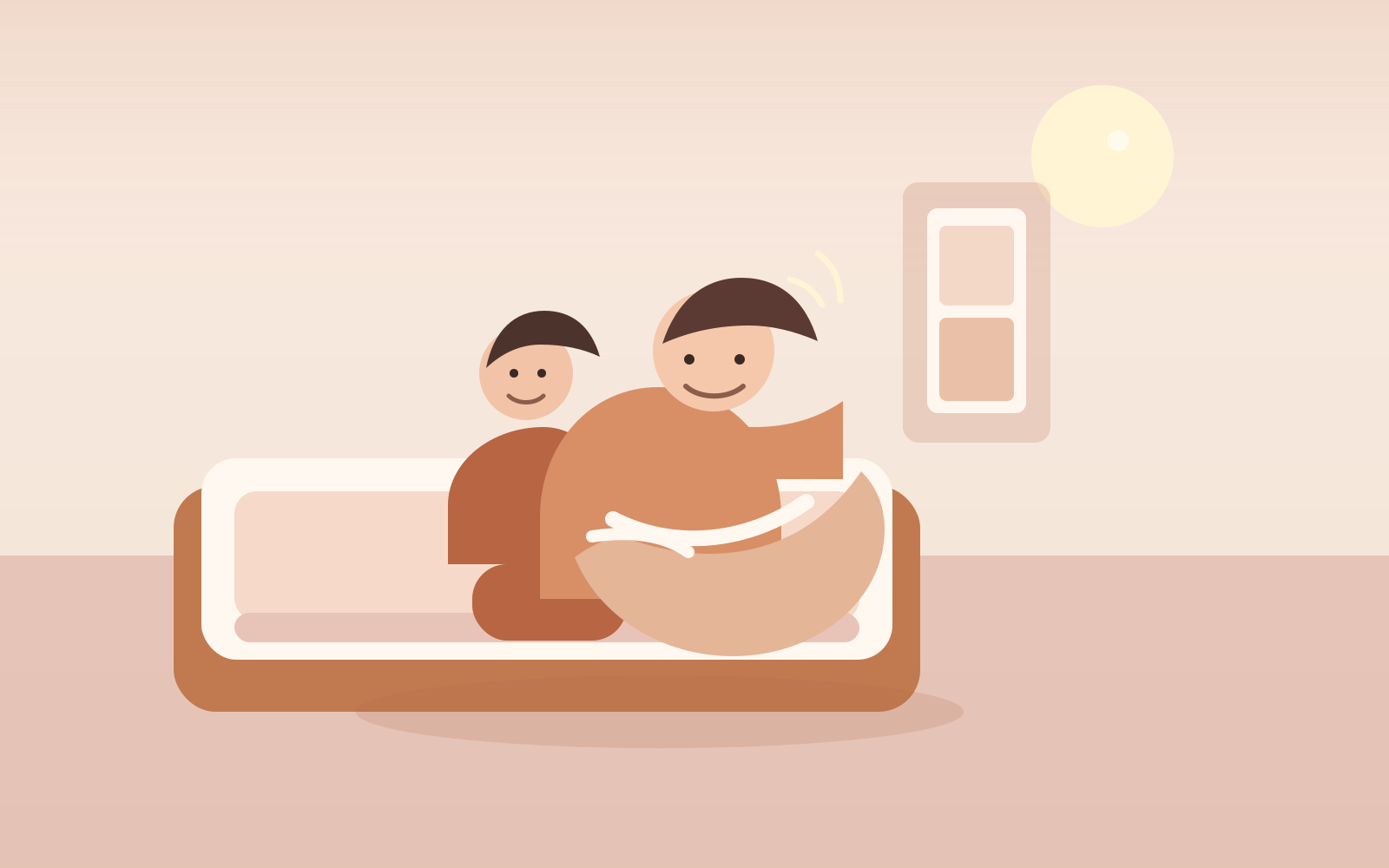
If your toddler has a tantrum at bedtime every night, you are not alone and you are not imagining how draining it is. Bedtime asks a lot of a little nervous system: stop moving, stop protesting, separate from the favorite grown-up, and fall asleep on command. That is a lot, especially after a full day of stimulation.
Why This Happens
Bedtime combines two major triggers: transition and separation. Your child is moving from the active part of the day into a quiet, less connected part of the night. Even if they are tired, they may resist because tired children often look more wired before they look sleepy.
There is also a biological piece. As toddlers get overtired, their bodies can release stress hormones that make settling down harder. That is why a child who obviously needs sleep can still kick, cry, run, and fight bedtime like they are not tired at all.
For some children, bedtime tantrums also come from the loss of control. All day long, adults decide when to eat, when to leave, when to clean up, and then bedtime is one more limit. If your child is also in the intense age-three window, 3 year old tantrums getting worse may help connect some dots.
What Actually Works
Bedtime tantrums are often an exhausted child asking for help in the loudest way they know how. A softer landing changes a lot.
Build a routine that starts before your child is already melting. Think of bedtime as a landing, not a hard stop. A predictable rhythm works better than a long checklist: movement, connection, wash-up, story, lights low, same song, same phrase. Repetition is calming because the body learns what comes next.
Use music and movement on purpose. A short slow dance in the bedroom, a simple rocking song, or a quiet sway while humming can bridge the body from alert to calm. This is not extra fluff. It is regulation support. Many children can move their way into calm more easily than they can talk their way into calm.
Keep the room cues soft and boring. Dim the lights earlier than you think you need to. Lower your own volume. Avoid introducing a dozen new ideas once your child is upset. A calm script like “Your body is having a hard time slowing down. I’ll help you” is often more effective than “Why are you doing this every night?”
If bedtime tantrums involve hitting or kicking, keep the boundary clear without making the moment louder. “I won’t let you hit. I’m staying close.” If you are seeing similar patterns in public transitions too, how to stop a tantrum in public can help.
What to Avoid
Avoid turning bedtime into a negotiation marathon. The more extra choices, extra threats, and last-minute bargains you add, the more activated everyone becomes.
Also avoid waiting until your child is fully overtired to begin winding down. Once the body is past the edge, even a good routine has a harder job.
This post is for informational purposes and is not a substitute for professional medical, psychological, or developmental advice. Every child is different. If you have concerns about your child's behavior, emotional development, or well-being — or your own — please reach out to your pediatrician or a licensed child development specialist.